


Driving Innovation & Growth
Boulder is consistently named one of the best places in the country to launch a startup. The Deming Center is strategically poised to capitalize on the opportunity afforded by its location by building bridges between campus and the vibrant local entrepreneurial community. We support students both inside and outside of the classroom by:
- Fostering 20+ dedicated faculty teaching entrepreneurship
- Producing world-class research
- Equipping MBA students to create impact for high growth companies
- Preparing students to embrace challenges and problem solve by equipping them to think like entrepreneurs
- Shaping students who want to make a difference in society
- Connecting students to industry leaders, entrepreneurs and innovators
- Bridging gaps across the CU Boulder campus
Our Mission
Develop entrepreneurial thinkers and leaders who create lasting economic and social value for themselves, their communities and the world.
Impact Report
Read the latest Deming Center Impact Report for an update on our efforts to drive economic and social impact Entrepreneurship.



Jace's Legacy: Inspiring Hope and Empowerment at Jace's Place


Certificate in Entrepreneurial Studies
Leeds’ students learn principles in entrepreneurship while developing career-long skills that are applicable whether they’re launching startups or “intrapreneuring” and building teams in a corporate environment.
High Growth Venture Fellowship
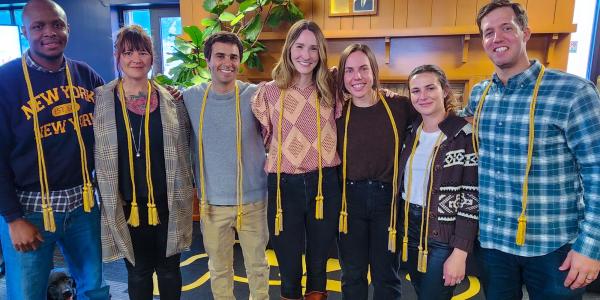
Two-year program that immerses a select group of MBA candidates in academic and experiential learning unique to growth-stage companies.

New Venture Launch Class
An application-based class for cross-disciplinary teams, individual founders, and entrepreneurially-focused undergraduate and graduate students driven to succeed in a startup ecosystem.

Entrepreneurial Events
Boulder is consistently named one of the best places in the country to launch a startup. The Deming Center builds bridges between campus and the vibrant local entrepreneurial community!
Entrepreneurial Research and Resources
Buffs with a Brand
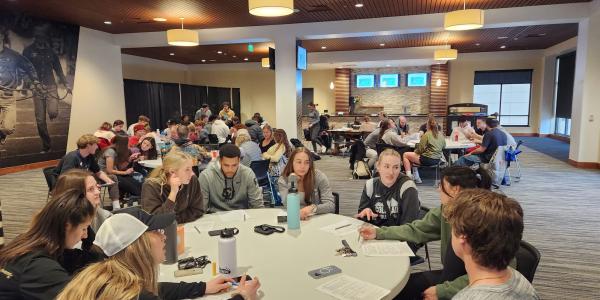
Started by our Executive Director Erick Mueller to help CU Boulder student-athletes use their "Name, Image, and Likeness" (NIL) to earn compensation without harming their intercollegiate eligibility or athletics scholarship.

Creative Distillation Research Podcast
Creative Distillation is co-hosted by Associate Professor Jeff York, our Research Director, and Instructor Brad Werner, our Teaching Director. Each episode distills academic research on entrepreneurship into actionable insights.

Demystifying Entrepreneurship: Rural Colorado Workshop Series (RCWS)
The Demystifying Entrepreneurship: Rural Colorado Workshop Series (RCWS) takes a pragmatic approach to entrepreneurship using a highly interactive setting and flexible, scalable sessions

Faculty & Research
Explore our distinguished faculty profiles to learn about their areas of specialization, research, experience in the private sector, and current projects.